
Selecting the appropriate metal anodizing chemical is crucial for achieving superior corrosion resistance, aesthetic appeal, and structural durability in surface finishing processes. Understanding how these chemical solutions interact with various metals empowers manufacturers to optimize production efficiency and product quality.
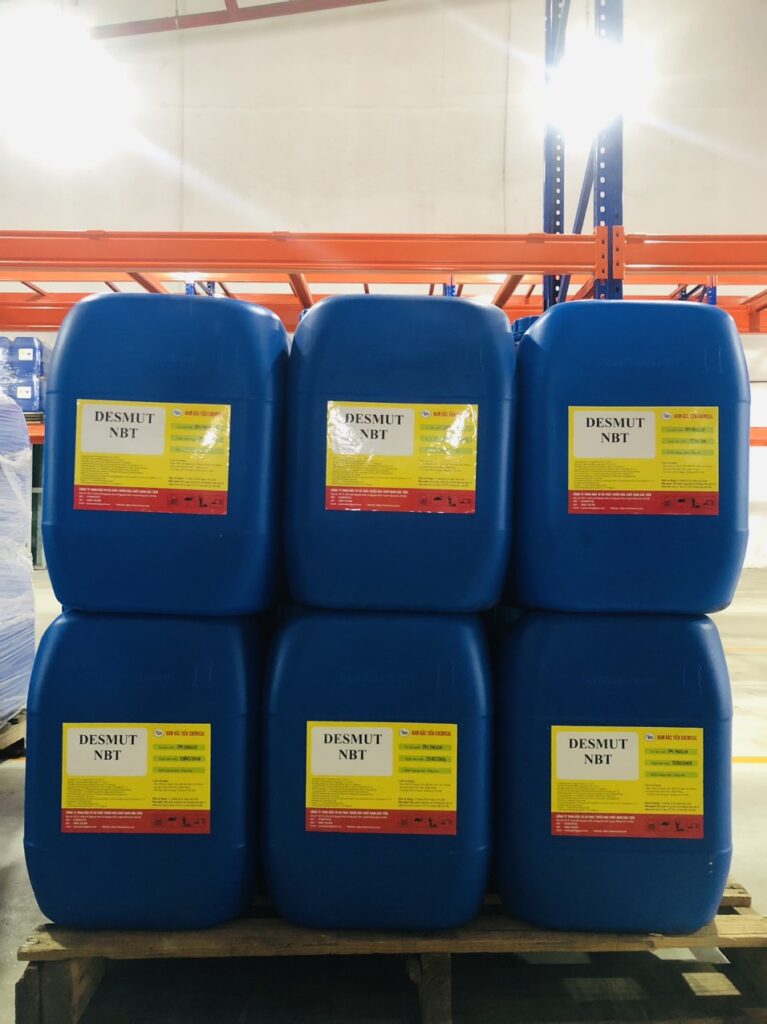
Understanding the Science Behind Metal Anodizing Chemistry
The process of anodizing involves electrochemically converting a metallic surface into a durable, corrosion-resistant, and aesthetically pleasing anodic oxide layer. Unlike basic surface coatings such as paint or plating, this oxide structure is fully integrated with the underlying substrate, preventing peeling or flaking over time. A specialized metal anodizing chemical solution acts as the conductive electrolyte bath through which direct electrical current flows. During this reaction, water molecules release oxygen ions that unite with substrate atoms at the surface, creating an engineered barrier that significantly upgrades mechanical and environmental resistance.
Temperature control, current density, and precise acid concentrations dictate the microscopic structure of the resulting oxide layer. Depending on whether high-voltage hardcoating or decorative color anodizing is performed, the chemical formulation of the electrolyte dictates pore size, film thickness, and hardness. Achieving precise control over these parameters allows manufacturers to tailor properties such as dielectric strength, wear resistance, and thermal insulation. Consequently, maintaining exact concentration ratios within the chemical bath is imperative for reproducible quality across high-volume production batches.
Key Types of Chemical Solutions Used in Anodizing
Sulfuric acid anodizing stands as the most prevalent chemical method across commercial and industrial sectors today. Utilizing an aqueous sulfuric acid electrolyte bath, this process yields a versatile oxide layer ideal for accepting organic dyes and providing dependable surface protection on aluminum alloys. The balancing act between solution concentration and bath temperature influences cellular growth rates, enabling operators to achieve precise coating thickness tailored for architectural paneling, automotive parts, and consumer electronics.
Alternative chemical formulations serve specific industrial demands where sulfuric acid may prove too aggressive or unsuitable. Chromic acid formulations offer exceptional corrosion resistance with minimal fatigue strength reduction, making them indispensable for critical aerospace structural components. Meanwhile, phosphoric acid solutions generate coarse porous layers optimized for structural adhesive bonding and primer adhesion in high-stress mechanical assemblies. Titanium anodizing formulations often employ neutral or alkaline electrolytes to form vivid interference color films without removing structural base metal.
Essential Chemical Additives and Sealants for Anodized Surfaces
Achieving flawless anodized surfaces extends beyond the primary electrolytic bath; comprehensive pre-treatment chemistry plays a vital role. Specialized degreasers, alkaline etchants, and acid deoxidizers must prepare the metal substrate by removing native oxides, oils, and mill scale. Failing to thoroughly clean and etch the metal prevents uniform current distribution during the anodizing cycle, which leads to splotchy dye reception and premature coating failure under harsh atmospheric conditions.
Following the electrochemical process, post-treatment chemical sealing is required to lock in surface durability. Because freshly anodized layers contain millions of microscopic pores per square millimeter, applying post-anodizing sealants like nickel acetate, dichromate, or ultra-pure boiling water closes these voids. Proper sealing transforms the porous layer into a non-reactive, hydrated barrier that effectively prevents environmental contaminants, chemical agents, and moisture from penetrating down to the base metal.
How to Select the Right Anodizing Chemical for Your Application
Selecting an optimal chemical solution begins with a thorough evaluation of the base alloy composition. Aluminum series such as 2000 or 7000 contain elevated copper and zinc contents, requiring adjusted acid strengths, tailored additive suppressants, and strict temperature controls to avoid chemical burning or non-uniform growth. Conversely, 6000-series alloys adapt readily to standard sulfuric acid baths, allowing for higher processing speeds and more consistent coloration results across large manufacturing runs.
Environmental regulations and workplace safety standards must also guide chemical selection criteria. Operations transitioning away from hazardous chromic acid formulas are increasingly adopting sulfuric-boric or organic acid alternatives that comply with strict global chemical standards like REACH and RoHS. Furthermore, operational factors such as bath cooling capabilities, power supply capacities, and downstream wastewater treatment capacities dictate whether standard bath chemistries or advanced high-speed proprietary additives offer the best total cost of ownership.
Safety and Waste Management Practices in Chemical Surface Finishing
Operating an industrial chemical anodizing facility mandates rigid adherence to safety protocols and environmental management systems. Concentrated acid baths emit corrosive vapors and exothermic heat during chemical mixing, demanding automated bath exhaust ventilation, acid-resistant tank liners, and specialized personal protective equipment. Implementing automated chemical dosing systems minimizes manual operator exposure while maintaining tight chemical equilibrium across continuous operating cycles.
Responsible waste management is critical for processing spent chemical solutions and rinse waters containing dissolved metals and acidic compounds. Advanced wastewater treatment platforms utilize pH neutralization tanks, heavy metal precipitating agents, and filter presses to safely remove aluminum and chemical byproducts prior to discharge. Closed-loop water recycling systems further enhance operational sustainability by reducing fresh water consumption and capturing chemical components for controlled disposal or external refining.
Elevate Your Surface Finishing Operations Today
Mastering the intricate chemical dynamics of anodizing allows manufacturing enterprises to deliver superior metal components that endure severe environmental conditions while maintaining pristine visual appeal. From fine-tuning initial surface preparation baths to selecting precise electrolytic formulas and high-performance sealing agents, every chemical stage contributes directly to the longevity and value of the final engineered product.
Auditing your current surface finishing chemical inventory and process control parameters is the most effective step toward reducing scrap rates and maximizing operational throughput. Partnering with certified industrial chemical suppliers ensures access to high-purity raw materials, advanced analytical bath testing, and custom chemical formulations designed to meet demanding quality specifications. Upgrade your facility’s chemical process controls today to achieve consistent, top-tier anodic surface results on every production cycle.
