
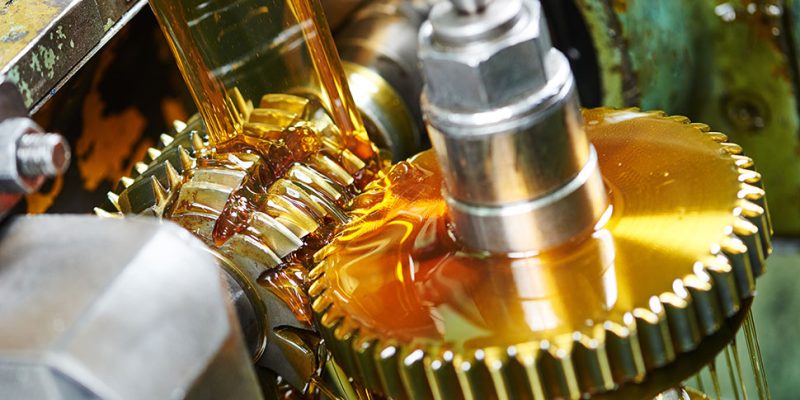
Modern manufacturing and heavy industrial operations rely heavily on seamless equipment performance. Utilizing high-performance industrial lubricant products is crucial for minimizing friction, protecting components against wear, reducing downtime, and extending the operational lifecycle of critical facility machinery across demanding manufacturing environments.
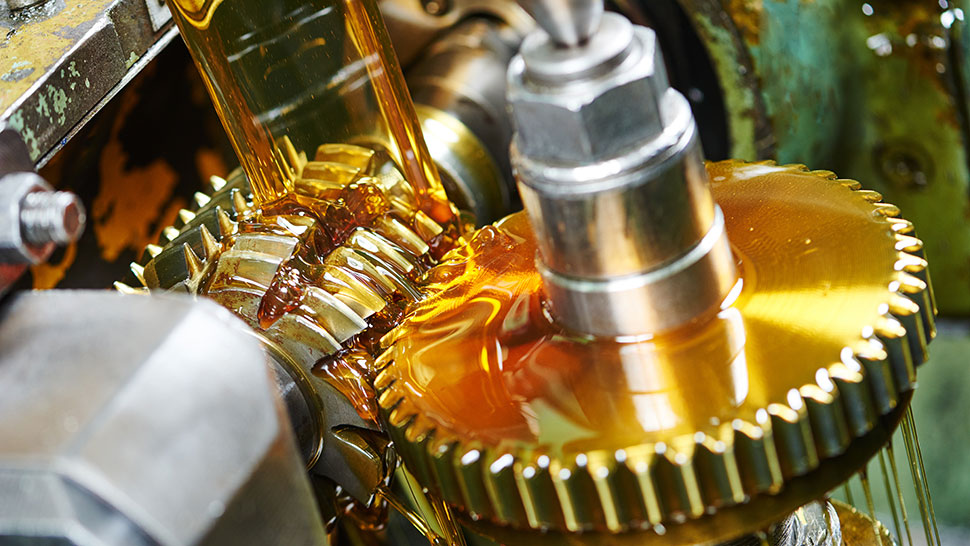
Understanding the Role of Industrial Lubricant Products
In high-stress manufacturing and heavy industrial environments, machinery operates under extreme heat, pressure, and speed. Without adequate friction reduction, metallic components experience rapid wear, thermal degradation, and catastrophic mechanical failure. High-quality industrial lubricant products create a protective microscopic barrier between moving parts. This fluid film significantly lowers surface friction, dissipates heat generated by operational movement, and prevents metal-to-metal contact, preserving mechanical precision and thermal stability.
Beyond friction control, modern industrial formulations serve as vital sealing and cleaning agents within mechanical systems. As machinery operates, particulate debris, micro-contaminants, and oxidation byproducts accumulate inside gearboxes and hydraulic lines. Advanced lubricants encapsulate these contaminants, carrying them toward filtration systems before they cause internal scouring or corrosion. Consequently, implementing top-tier machinery lubrication protects internal components, lowers heat generation, and directly improves overall equipment effectiveness across complex production facilities.
Primary Types of Industrial Lubricants and Their Applications
Industrial lubrication solutions encompass a wide spectrum of specialized formulations designed for specific operational demands. Heavy-duty hydraulic fluids represent one of the most widely used categories, engineered to transmit power smoothly in hydraulic machinery while delivering anti-wear protection and foam resistance. Similarly, specialized gear oils are formulated with extreme pressure additives to shield heavily loaded industrial gearboxes from shock loads, micropitting, and premature tooth wear under extreme operating pressures.
Greases and high-temperature synthetic lubricants offer tailored solutions for harsh environmental conditions. Industrial greases consist of base oils combined with thickeners, ideal for open systems or bearings where liquid oils would leak away. Conversely, full synthetic oils excel in extreme temperatures, resisting thermal breakdown and oxidation far better than conventional mineral-based options. Selecting between mineral oils, synthetic blends, and specialized greases depends on operating temperature ranges, continuous loads, speed factors, and environmental exposure levels.
Key Benefits of Upgrading Your Industrial Lubrication Strategy
Investing in superior industrial lubricant products yields significant financial and operational returns for manufacturing facilities. The primary advantage is a dramatic reduction in unplanned downtime. Mechanical failures frequently stem from inadequate or degraded lubrication, leading to costly emergency repairs and lost production output. By utilizing advanced synthetic or semi-synthetic formulations, maintenance teams can extend oil drain intervals, reduce component replacement frequency, and maintain uninterrupted production schedules.
Furthermore, optimized lubrication directly improves overall energy efficiency. High-efficiency synthetic oils possess superior viscosity index characteristics, meaning they maintain optimal viscosity across extreme temperature variations. This reduces fluid drag and parasitic power losses within gearboxes and pumps, lowering energy consumption across the plant. Additionally, proper anti-corrosion and anti-wear protection preserves long-term asset value, allowing companies to maximize ROI on capital-intensive machinery and lower long-term equipment maintenance expenditure.
How to Select the Right Industrial Lubricant Products
Selecting the optimal lubricant for your machinery requires a comprehensive analysis of operating parameters and Original Equipment Manufacturer guidelines. Viscosity is the single most important property to consider; choosing a fluid that is too thick increases fluid friction and operating temperature, whereas an overly thin oil leads to insufficient film strength and accelerated metal wear. Plant managers must evaluate operating temperatures, load characteristics, speed factors, and ambient environmental conditions when specifying viscosity grades.
Beyond viscosity, evaluating base oil quality and additive packages is critical for optimal equipment protection. Applications exposed to moisture or corrosive atmospheres demand lubricants containing rust inhibitors and demulsibility additives that readily separate water from oil. High-load operations require extreme pressure or anti-wear additive technologies. Consulting with lubrication specialists and reviewing technical data sheets ensures that chosen industrial lubricant products strictly match the operational environment and OEM performance requirements.
Best Practices for Lubricant Storage and Maintenance
Even the highest-grade lubricants will fail prematurely if improper storage and handling practices permit contamination before application. Bulk oil containers and drum storage areas must be maintained in clean, climate-controlled environments to prevent moisture ingress and particulate contamination. Utilizing color-coded transfer containers and sealed dispensing equipment prevents cross-contamination between incompatible fluid types, preserving chemical integrity and film-forming capabilities.
Implementing a rigorous oil analysis program is equally vital for proactive plant maintenance. Routine sampling and laboratory testing of in-service fluids reveal valuable insights regarding lubricant degradation, water contamination, oxidation levels, and wear metals. By monitoring viscosity changes, acid numbers, and particle counts over time, maintenance managers can transition from static calendar-based oil changes to condition-based maintenance, optimizing oil service life while detecting impending component wear early.
Optimize Performance with Advanced Lubrication Solutions
Upgrading your industrial maintenance framework with high-grade industrial lubricant products is a proactive investment in facility efficiency, machinery longevity, and operational profitability. By moving away from generic formulations and adopting targeted, high-performance fluid solutions, plant managers can significantly minimize friction, eliminate unexpected mechanical downtime, and substantially lower energy consumption across all production lines.
Partnering with reliable fluid suppliers and establishing a disciplined lubrication management workflow empowers your workforce to maximize machine reliability. Take control of your operational efficiency today by conducting a thorough lubrication audit of your facility. Modernizing your industrial fluid strategy ensures your heavy machinery operates at peak reliability, protecting your bottom line and driving sustainable industrial productivity for years to come.
